
audi

Understanding What Makes Classic Cars Worth Every Penny

Classic cars possess a timeless allure that transcends generations of automotive enthusiasts. While their price tags may be substantial, the allure of classic rides like the ones owned by Beverly Hills Car Club lies in their unique qualities, historical significance, and enduring value. In this article, we’ll delve into what makes classic cars worth every penny, shedding light on the factors that contribute to their desirability and investment potential.

Historical Significance

Classic cars often represent a significant era in automotive history. They evoke a sense of nostalgia, reminding us of a bygone era when craftsmanship, design, and engineering converged to create iconic vehicles. Owning a classic car allows enthusiasts to connect with the past and preserve automotive heritage.
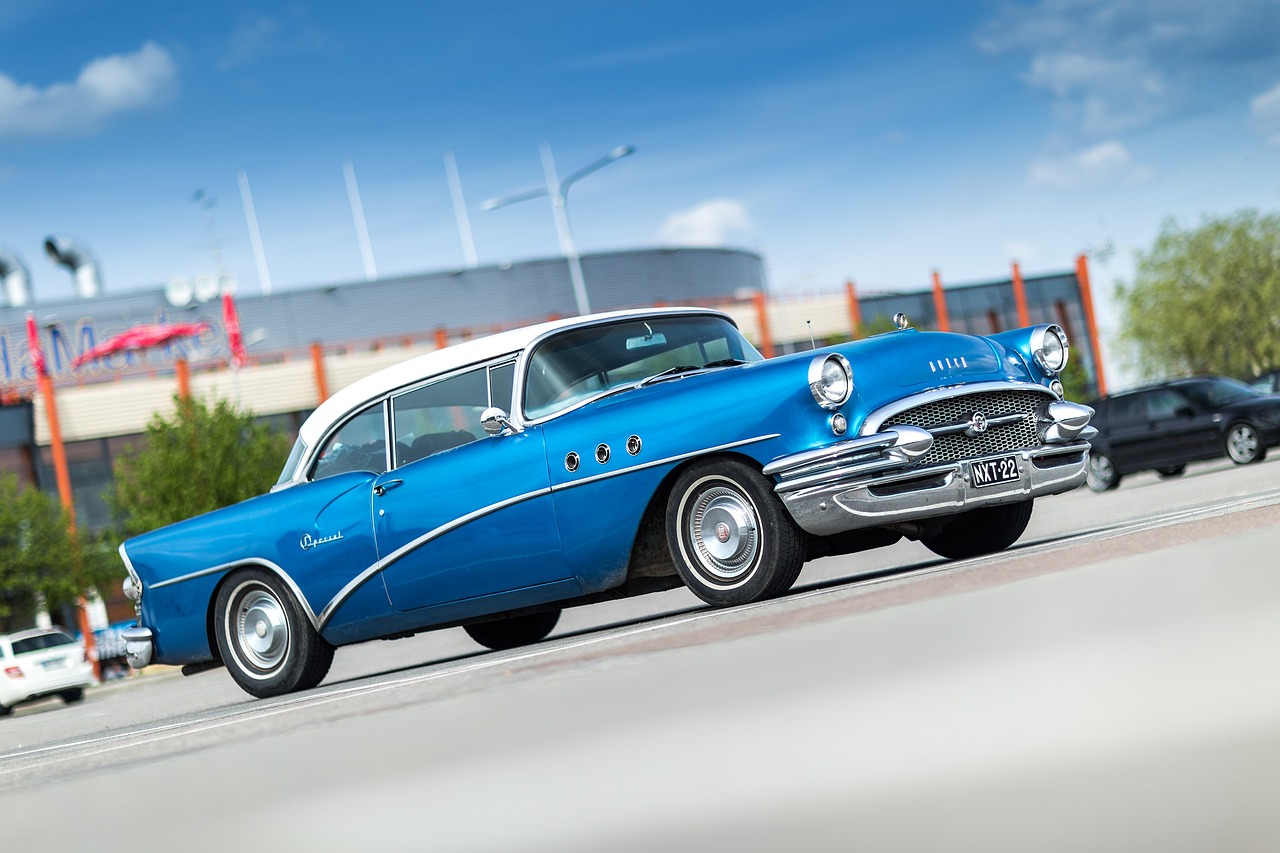
classic

Timeless Design

Classic cars are celebrated for their timeless and elegant designs. Many classic models feature sleek lines, iconic emblems, and distinctive aesthetics that continue to captivate car lovers. These designs are considered works of art, making classic cars, not just vehicles but pieces of automotive history.

Limited Production

Classic cars are often characterized by limited production runs, which contributes to their rarity and exclusivity. Owning a vehicle that was part of a small production series can be a point of pride for collectors, as it sets their car apart from the masses.

Craftsmanship

Classic cars were crafted with meticulous attention to detail and quality, often by skilled artisans. The materials used in their construction, such as wood, chrome, and leather, exemplify craftsmanship rarely seen in modern mass-produced vehicles.

Mechanical Simplicity

Classic cars are mechanically simpler than their modern counterparts. This simplicity can make them easier to maintain and repair, allowing enthusiasts to develop hands-on mechanical skills and preserve the vehicle’s authenticity.

Sense of Community

Owning a classic automobile often comes with the opportunity to engage with a passionate and welcoming community of fellow enthusiasts. Car clubs, events, and shows provide opportunities to connect, share experiences, and learn from like-minded individuals.

investment

Investment Potential

Classic automobiles can be sound investments. While values can fluctuate, many well-maintained classic cars appreciate over time. They provide unique mixes of aesthetic and financial value, making them attractive options for collectors looking to diversify their investments.

Restoration Projects

For those who enjoy hands-on work, classic cars offer endless restoration possibilities. The satisfaction of bringing a neglected classic back to its former glory can be immeasurable, and the finished result is a testament to dedication and skill.

Story and Provenance

Classic cars often come with rich histories and unique provenance. Learning about the car’s previous owners, journeys, and experiences can add depth and character to the ownership experience.

Pride of Ownership

Owning a classic car is a source of pride and satisfaction. The joy of driving a well-maintained, meticulously restored classic vehicle is an experience that transcends the mundane commute, providing a sense of connection to the past and a celebration of automotive artistry.

Conclusion

Classic cars are more than just vehicles; they are icons of automotive history, design, and craftsmanship. Their enduring appeal, limited production, and investment potential make them worth every penny for enthusiasts and collectors alike. Beyond their financial value, classic cars offer a unique opportunity to connect with the past, express individuality, and become part of a passionate community that celebrates the beauty and heritage of these timeless machines.…


motorsports

The Thrill of the Race: Why Motorsports Captivate Fans Around the World

From the roar of engines to the smell of burning rubber, motorsports have a unique way of captivating fans worldwide. Whether it’s Formula One, NASCAR, or rally racing, something about watching drivers push themselves and their machines to the limit gets our hearts racing. But why are we so drawn to these high-speed competitions? In this post, we’ll explore what makes motorsports so thrilling and why they continue to be a global phenomenon. So buckle up and get ready for an exhilarating ride.

The Thrill of Speed and Danger

carMotorsports are synonymous with speed, and speed inherently thrills us. Witnessing vehicles zoom past at blistering speeds, pushing the limits of physics and human capability, triggers a primal sense of exhilaration. The sheer velocity and acceleration of racing machines, combined with the element of danger, create an intense and electrifying experience for spectators. The heart-pounding moments when drivers navigate tight turns, overtake opponents, and engage in wheel-to-wheel battles inject an adrenaline rush that keeps fans on the edge of their seats.


Some people also add the thrill of watching motorsports by gambling on the outcome of the race; visit the 토토안전센터 and check out what the experts have to say about risk management and gambling on motorsports.

Unmatched Competition and Skill

Motorsports showcase the pinnacle of human skill and technical expertise. The world’s best drivers and teams compete in a battle of strategy, precision, and split-second decision-making. Fans are drawn to the intense competition between talented individuals who push themselves and their machines to the limit. Witnessing the mastery of controlling powerful vehicles, executing flawless maneuvers, and strategizing for victory is awe-inspiring. The combination of human skill, engineering marvels, and fierce rivalries creates a captivating spectacle that keeps fans returning for more.

car

Drama and Unpredictability

Motorsports are a breeding ground for drama and unpredictability. Races unfold with a mix of triumphs, setbacks, and unexpected twists, making every lap a potential game-changer. From mechanical failures and tire blowouts to rainstorms and collisions, the element of unpredictability keeps fans hooked until the checkered flag falls. The constant flux of positions, strategic pit stops, and nail-biting finishes ensure that no two races are ever the same. The drama and unpredictability of motorsports make them a thrilling and addictive form of entertainment.

Accessibility and Fan Engagement

Unlike many other sports, motorsports offer unparalleled access to fans. From open paddocks and pit lane walks to autograph sessions and meet-and-greets, spectators can get up close and personal with their favorite drivers and teams. This accessibility creates a strong connection between fans and the sport, fostering a sense of community and loyalty. Furthermore, technological advancements have allowed fans to engage with motorsports in new ways, from live-streaming races to interactive gaming experiences. The ability to actively participate and immerse oneself in the world of motorsports enhances the overall fan experience and contributes to its popularity.

Global Appeal and Cultural Significance

carMotorsports have a universal language that transcends borders and cultures. Major racing events like the Formula 1 Grand Prix and the Le Mans 24 Hours attract a global audience, bringing people from different backgrounds together to celebrate a shared passion. The cultural significance of motorsports is undeniable, with iconic races and venues becoming symbols of national pride and heritage. The roaring engines, vibrant liveries, and enthusiastic crowds create an atmosphere of celebration and camaraderie that unites fans worldwide.


Motorsports continue to captivate and enthrall audiences worldwide for a multitude of reasons. Whether it’s the thrill of speed, the competition, the drama, or the accessibility to fans, there’s something undeniably magical about the world of motorsports. So, embrace the roar of the engines, feel the rush of adrenaline, and join the passionate community that celebrates the captivating world of motorsports. It’s a ride you won’t want to miss.…

car fuel

Simple DIY Tricks and Hacks to Make Your Current Car More Fuel Efficient

In today’s world, fuel efficiency has become a major concern for car owners. The skyrocketing prices of gasoline and the need to reduce carbon emissions have made it necessary for car owners to adopt cost-effective and environmentally friendly driving habits. In this article, we will share four simple DIY tricks and hacks that you can use to make your current car more fuel-efficient. In addition, this Hadgerty’s QR Code Generator can help easily access your car insurance information and enhance your safety while on the road.

Keep Your Tires Properly Inflated

tires

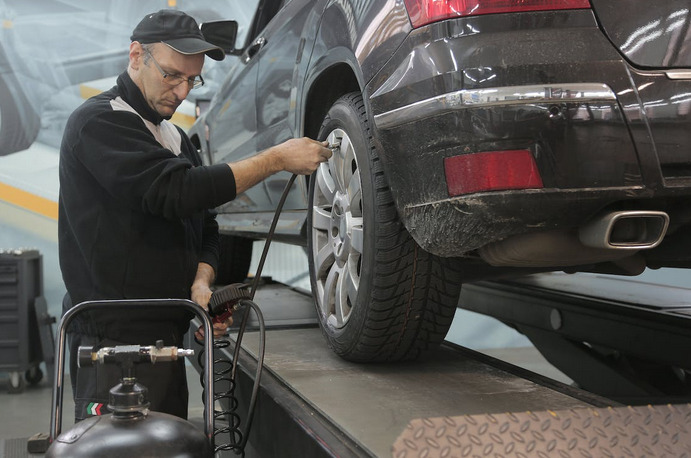
Inflating your tires to the recommended PSI (pounds per square inch) can help reduce fuel consumption by up to 3%. According to research, underinflated tires create more rolling resistance, which forces the engine to work harder and consume more fuel. You can easily find the recommended PSI for your car in the owner’s manual or on a sticker in the driver’s door jamb. Consider investing in a tire pressure gauge and inflator to maintain the desired pressure.

Remove Excess Weight

The heavier your car is, the more fuel it consumes. Therefore, it’s important to declutter your car by removing any unnecessary items that add extra weight. For instance, remove roof racks, bike carriers, and other bulky items when not in use. Also, avoid filling up your gas tank to the brim, as that extra fuel adds weight to your car.

Use Cruise Control

Using cruise control can help you maintain a constant speed and prevent unnecessary acceleration and deceleration, which can be fuel-consuming. Cruise control is ideal for highway driving, where you’ll likely cover long distances with minimal stops. By using cruise control, you can save up to 7% on fuel consumption, depending on the terrain and road conditions.

Change Your Driving Habits

drivingLastly, changing your driving habits can go a long way in improving your car’s fuel efficiency. For instance, avoid harsh acceleration and braking, which consume more fuel. Instead, accelerate gradually and maintain a steady speed. Also, avoid idling for extended periods, as this consumes fuel unnecessarily. You can turn off your engine when you’re stuck in traffic or waiting for someone, especially in extreme weather conditions. By adopting these driving habits, you can increase your fuel efficiency by up to 35%.



In conclusion, making your car more fuel-efficient doesn’t have to be complicated or expensive. By adopting these simple DIY tricks and hacks, you can save money on fuel costs and reduce your carbon footprint. Remember to keep your tires properly inflated, remove excess weight, use cruise control, and change your driving habits.…

fuel

Top Tips to Increase the Fuel Efficiency of Your Car

We all love our cars, but let’s face it, we don’t always treat them as well as we should. One of the biggest ways we neglect our vehicles is by not taking care of their fuel efficiency. Not only does this lead to more frequent and costly trips to the gas pump, but it also harms the environment. Luckily, there are simple steps you can take to increase your car’s fuel efficiency and save money in the long run. Some car owners consider some upgrades like adding Griptec Pulleys. If you plan to add one, you should first know more about it. Here, we will talk about some top tips to increase your car’s fuel efficiency.

Reducing Speed and Anticipating Stops

Reducing speed and anticipating stops are two of the most effective ways to increase your car’s fuel efficiency. Maintaining a steady pace when driving can conserve gas and reduce wear and tear on your vehicle. One way to achieve this is by avoiding sudden accelerations or hard braking. Driving aggressively causes your engine to work harder than it needs to, using more fuel in the process. Instead, try to accelerate slowly and smoothly while giving enough time for the car behind you to anticipate your movement. Another tip is to watch out for traffic signals ahead of you. If you see that a red light or stop sign is approaching, gradually slow down instead of waiting until the last minute to hit the brakes. This not only saves fuel but also reduces stress on your brake pads.

Aggressive Acceleration and Braking

pedals

Aggressive acceleration and braking can significantly reduce the fuel efficiency of your car. When you accelerate aggressively, you are burning more fuel than necessary to achieve the same speed. Similarly, when you brake hard, the kinetic energy of your vehicle is converted into heat energy that is wasted. To avoid aggressive acceleration and braking, paying attention to road conditions and anticipating stops or turns well in advance is essential. Try to maintain a steady speed as much as possible by using cruise control on highways whenever safe. Another effective way to improve fuel economy is by avoiding unnecessary idling. If you’re stuck in traffic or waiting for someone, turn off the engine instead of keeping it running.

Frequent Maintenance

Frequent maintenance is crucial for increasing the fuel efficiency of your car. Regular oil changes, tire rotations, and air filter replacements help keep your engine running smoothly, reducing its workload and improving fuel economy. It’s important to follow the manufacturer’s recommended maintenance schedule. Ignoring routine maintenance can decrease your vehicle’s performance, leading to increased fuel consumption. Checking tire pressure regularly also plays a significant role in maintaining optimal fuel efficiency. Under-inflated tires create more resistance on the road, causing the engine to work harder and use more gas. Additionally, consider getting a tune-up every now and then. A properly tuned engine burns less gas and operates at maximum efficiency.

There are various ways to increase the fuel efficiency of your car. Reducing speed, anticipating stops, avoiding aggressive acceleration, and braking are some of the important tips that can help you save on gas. Frequent maintenance is also crucial in ensuring that your car is running efficiently. By implementing these tips and making them a part of your routine, you will save money and contribute towards a cleaner environment by reducing carbon emissions. It’s a win-win situation for both you and the planet.…

breakdown

Troubleshooting Guide: What to Do When Your Electric Vehicle Breaks Down

With more and more people becoming aware of the importance of protecting the environment, electric cars are becoming popular for private and public transportation. However, they do have their share of problems, as much as they may seem well made. If you’re unlucky enough to find yourself with a broken-down electric car, don’t worry. This troubleshooting guide will help you get your vehicle up and running again quickly.

Inspect Your Vehicle’s Battery

car hood

When you face an electric vehicle breakdown, the first thing you should do is inspect the battery. Check its connections and ensure they’re secure and free of corrosion or dirt.  You can also check the voltage reading to determine if the battery has a problem. If necessary, remove it and have it tested at your local auto shop or even send it back to the manufacturer.

Check Your Charging System

If your vehicle’s battery looks okay, it’s time to check the charging system. This includes the alternator, starter, and other components related to charging the battery. An easy way to do this is to have a qualified mechanic take a look at it and run tests on the system.

Check Your Fuses

Fuses are essential parts of an electric vehicle and can easily be checked for damage or age-related wear. Ensure all fuses related to your car’s electrical systems, including the battery, have been replaced if necessary. It will help ensure that no further issues arise from faulty fuses.

Check The Motor

Your vehicle’s motor is one of the most important components and should be inspected if you experience a breakdown. Look for any signs of damage or wear and have it serviced by a qualified mechanic if necessary. This will help ensure that your electric car runs smoothly in the future.

Verify Your Vehicle’s Software

softwareFinally, make sure that all of your car’s software is up to date and functioning properly. This includes the vehicle’s operating system and other programs related to its electronics. If you find any issues with the software, contact the manufacturer for help or take it to a shop for servicing.


Electric cars can be a great way to reduce environmental impact, but they require regular maintenance and upkeep. If you have an electric vehicle breakdown, the above steps should help get you back on the road quickly. If all else fails, reach out to your local mechanic or car dealership for further assistance. However, ensure the mechanic you contact is qualified to work on electric vehicles. Good luck and safe driving.…

car at costco

Biggest Mistakes People Make When Choosing Fuel-Efficient Cars

Are you in the market for a new car? If so, you may wonder how to choose the most fuel-efficient model. Making the wrong decision can cost you a lot of money in the long run. This blog post will discuss three of the biggest mistakes people make when choosing a fuel-efficient car. In addition, read more to know why electric utility truck’s size matters and ways to choose the best for your needs.

Focusing Too Much on HorsePower

One of the most common mistakes people make when choosing a fuel-efficient car is to focus too much on horsepower. While it’s true that having more horsepower can mean more speed, this also means consuming more fuel. This can significantly reduce the overall efficiency of your car and increase costs. Instead, focus on other fuel efficiencies features, such as engine size and weight. Those will have a much more significant impact on your car’s MPG than horsepower.

Not Considering the Gears

Another mistake people make when choosing a fuel-efficient car is not considering the number of gears. Most cars are equipped with either five or six-speed transmissions. The more gears a vehicle has, the better it will be at maximizing fuel economy. Additionally, having more gears allows you to control your speed on different types of roads and terrain, allowing you to get the most out of your car.

Not Focusing on Size

fuel

Another mistake people make when choosing a fuel-efficient car is not considering the size of the vehicle. Smaller vehicles are typically more fuel efficient than larger ones because they require less energy to move. Additionally, smaller cars tend to weigh less which means they can accelerate and brake faster, thus using less fuel.

Not Researching the Engine Type

The third mistake people make when looking for a fuel-efficient car is not considering the type of engine it has. Different types of engines have different levels of fuel efficiency. For example, gasoline engines are more efficient than diesel engines, while hybrid cars are often the most fuel-efficient. Be sure to research the different types of engines available and how they compare in terms of fuel efficiency before you make a final decision.

Choosing the right fuel-efficient car can save you a lot of money in the long run. By avoiding these four mistakes, you can ensure that you are making an informed decision and getting the most out of your new car for years to come. Be sure to research and compare different models before settling on one. You’ll be glad you did. Good luck.…