People

Car Parts to Check Before Driving to Another Area

If you plan to purchase a car to move from one city to another, there are things you should learn. One is car maintenance, and another is the driving law in the area you are heading to. If you plan to visit Tampa, you should do some research about their laws. If you click here, you can learn how driving in Tampa differs from the rest of Florida.

Car maintenance means making sure that your car is running optimally, and for that, you need to know some tips. When you buy a new car, you may choose a long time before visiting a mechanic. However, there comes a time when the normal inspection is more than just a requirement; it will become a part of you personally, like sleep. Below are car parts to check before driving to another area.

Car Oil
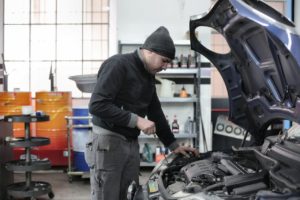
Checking Even though they are called high-performance cars and are considered much more durable than other cars in the market today, they still need good maintenance to keep them in the best condition. And because of their high-performance engines, the maintenance that needs to be done is a bit more complicated than regular, generic tune-ups. You have to keep an eye on things like the oil and glow plug at all times to make sure your engine doesn’t blow up when you take it into the red zone.

Brake System

Another very important part of the car that you should always take care of is your braking system. Muscle cars have engines that make a few hundred horse powers, which makes them capable of going for high prices, so it’s just as crucial that you are able to adjust financially. Evaluate if the brake pads aren’t too tired, if the disc brakes aren’t cracked, if the brake lines aren’t leaking, etc. If neglected, wear and tear on engine components is probably inevitable. So before your piston rings fry, check the oil level regularly to see if it’s adequate and change it after a few thousand miles.

Battery Life

In addition to the engine, it’s also a good idea to evaluate your car’s battery life. Make sure the sulfuric acid level in your batteries is in the suggested range, and wash the battery terminals to make sure the connection is correct. This is one of the most important things that many car owners neglect.…
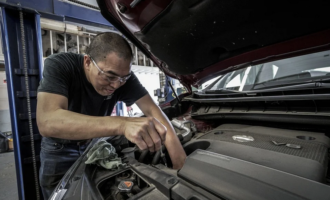
repair

The Do’s and Don’ts of Car Maintenance for Long-Distance Trip

The constant rise in car price always makes having one all the more valuable to us. For that reason, investing in auto transportation requires proper maintenance for appropriate condition, especially if we take long-ride journeys. Neglecting maintenance in your vehicle will cause more harm than good to your automobile in the journey. Aside from vehicle maintenance, the following are what you need to consider before taking long rides.

Do’s 

Test your car’s electronics, especially the lights. Your car doesn’t just depend on gasoline or diesel to run. You don’t want to have problems while driving, especially if you lose light in the middle of the night. To assess whether your car’s electrical components are working correctly, start the engine and turn on the switches. Also, get used to the various indicator lights on your dashboard, as they are a way to know if there is anything in your car that needs looking at. If something isn’t working right, take your vehicle into the shop to have the wiring checked or evaluated bulbs.

Check the brake pads, belts, and hoses. Are your brakes letting out a high-pitched scream every time you’re stepping on the brake pedal? Perhaps your brake pads have gotten too thin. If so, it’s wise to have them evaluated. A new brake pad is usually 13mm thick. Two other things you should check are the belts and hoses. Your car is not just made of plastic and synthetic materials. In addition to tires, rubber materials like the belts in the engine and the hoses that connect various parts under the hood are essential parts of a car or truck. 

Do check the tires. Your drive won’t be as smooth as a sail without proper-inflated and good-condition tires. Before inflating your tire, check the vehicle owner’s manual first to know the optimal air pressure measured in PSI. Ensure that the quantities found on the tire’s walls are not the perfect air pressure, but the maximum pressure your tire can withstand. Another thing is to look at the tread’s thickness, an essential requirement before any long or short trip. Tires are responsible for grip on asphalt and also contribute to a car’s fuel economy. How. The result is the work of your engine to keep your vehicle moving.

Don’ts

Don’t bring too much stuff. Unnecessary stuff includes neck pillows, blankets, and overflowing bags of snacks. You don’t need tons of these. Put only a few things in to make room for other things you may need on the way home or to another destination. A cluttered cabin can lead to distractions you don’t want during your trip. It could also affect accidents, as dangerous things could be thrown through the cabin in an accident. Also, carrying many unnecessary chemicals in your car or truck would add more weight, which is precisely what you don’t want when you’re running low on gas. Be sure to keep enough stuff to maintain a padded space in the cabin for you and your passenger to enjoy.

Don’t inflate your tires. Filling the tires with too much air will result in poor stability, negatively impacting handling. Cornering and braking will not be as precise as when you have the correct air pressure. Although under-inflation of tires is known to disrupt the gas economy, that doesn’t mean that over-inflation makes it easier. When a tire is too firm, there is less surface area; less surface area translates to less traction on the road.

Don’t forget your tools and a spare tire. If there is one thing you should not take out of your car or truck, it is probably your toolbox. There’s no great reason why a driver can’t have them on their back, but needing them is comparable to playing soccer on a wet field with flat shoes. Also, you should never leave your life without checking that your spare tire is inflated correctly,