Tips for Buying and Restoring Classic Cars That Will Leave People in Awe
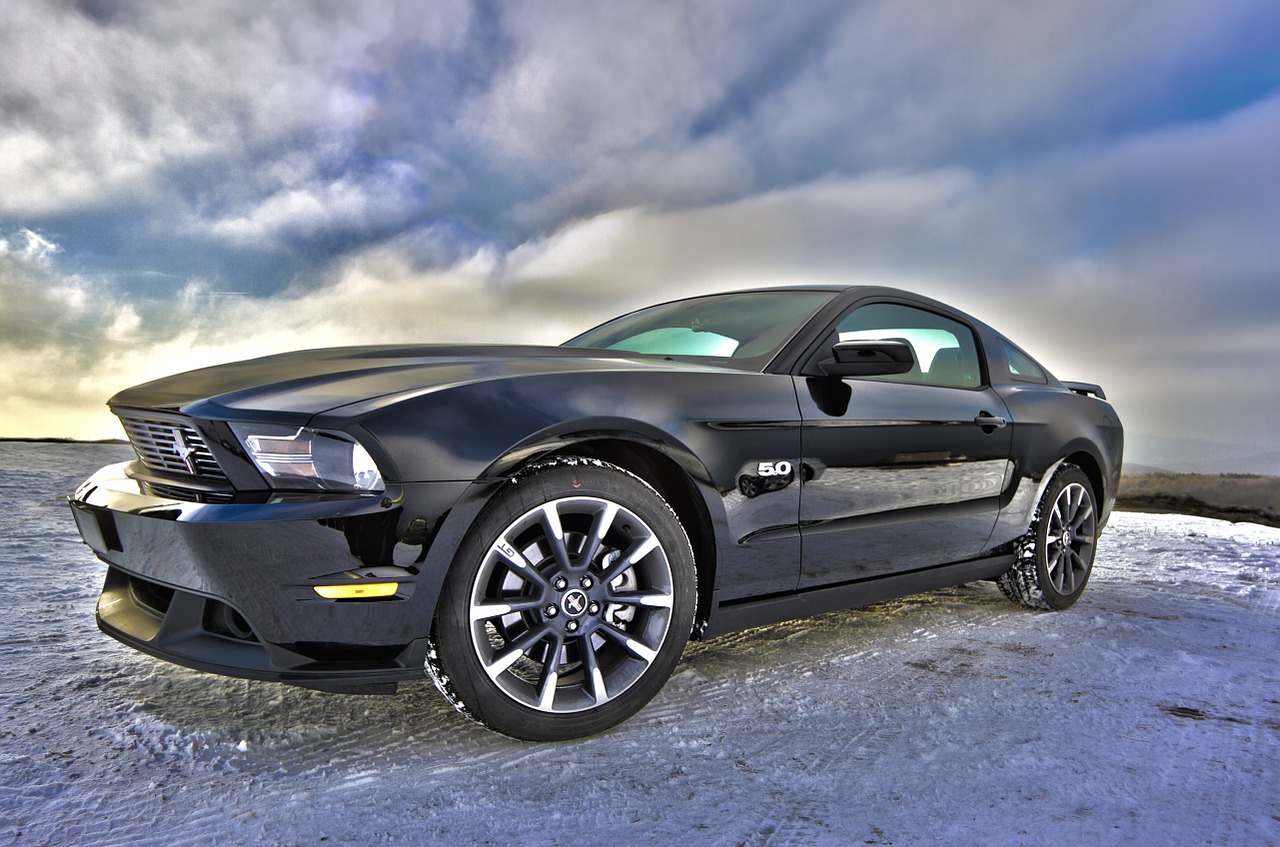
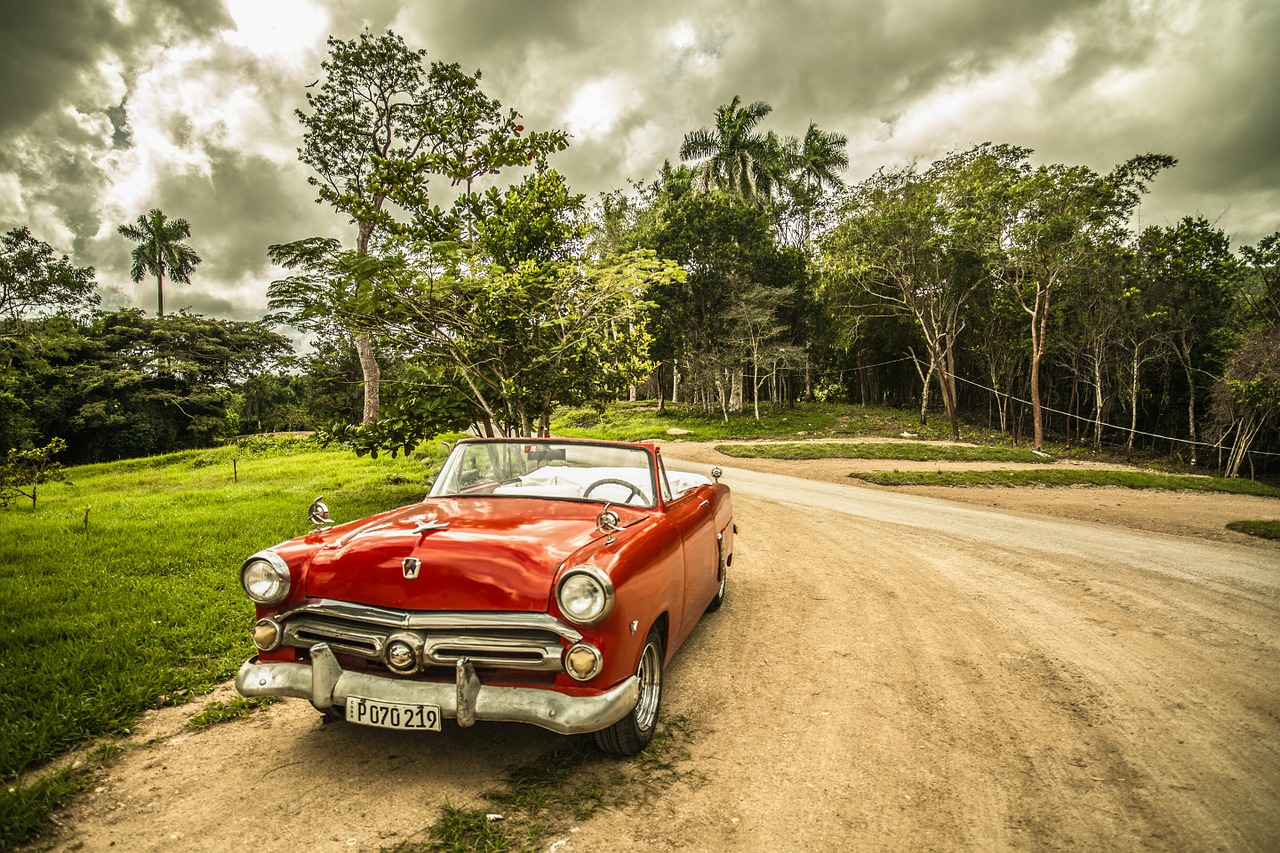
Imagine the feeling of driving down the road in a beautifully restored classic car, eventually turning heads and leaving people in awe. Owning and restoring a classic car can be a fulfilling and rewarding experience, but it might not be as easy as it seems. It requires a lot of time, money, and effort to bring a classic car back to its former glory. So, what if you’re willing to take on the challenge and spend countless hours in the garage to create your dream car? You’re in for a treat. Today, we’ll shed some light on the best tips for buying and restoring classic cars.
Know Your Budget and Stick to a Collection That Matches Your Budget
Your journey should start with a budgeting plan. As mentioned, it’s going to cost you big bucks. So, you want to determine how much you’re willing to invest in purchasing a vintage vehicle and the subsequent restoration process. Research the market to get an idea of the costs associated with different makes and models. Once you’ve set your budget, stick to it! It can be tempting to splurge on a rare find or go overboard with upgrades, but staying within your financial limits will help prevent any regrets down the road.
Consider Restoration Costs and Plan the Restoration
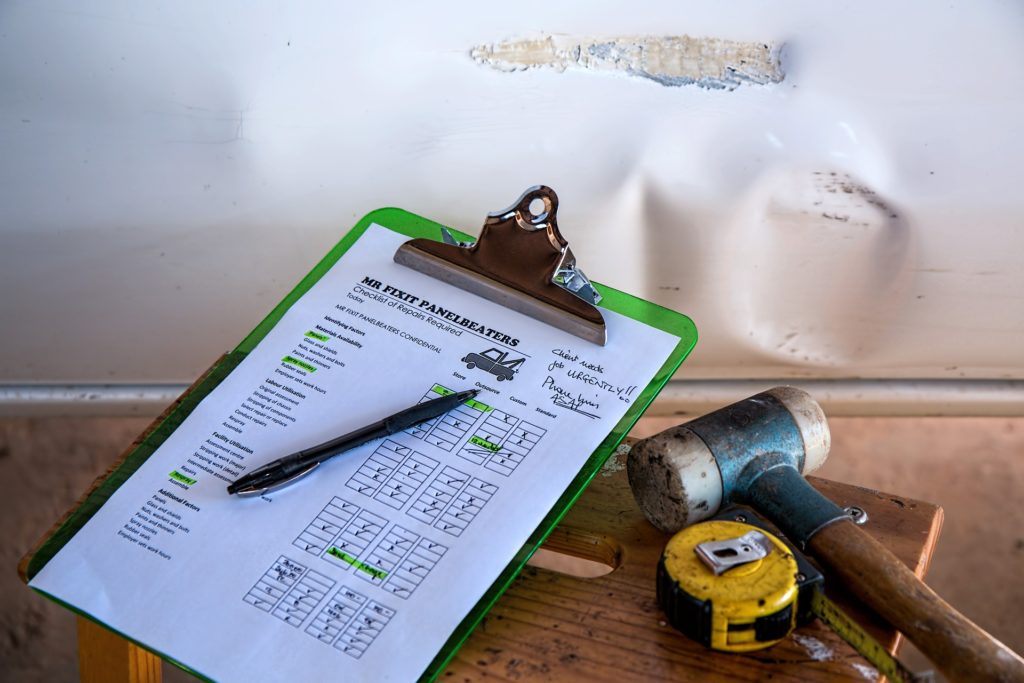
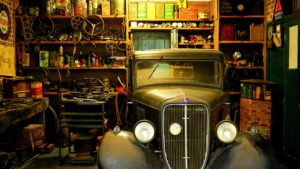
Restoring a classic car is also an investment in history and craftsmanship. When considering restoration costs, it’s crucial to have a clear plan in place. Research the specific make and model of your desired classic car to understand potential restoration challenges and expenses. Think about the initial purchase price and the total cost of parts, labor, and any unforeseen issues down the road. Planning ahead will help you avoid budget overruns and make sure your project stays on track. If you want an accurate estimate of the total restoration costs, consult with experts or experienced restorers at BHCC.
Verify Documentation
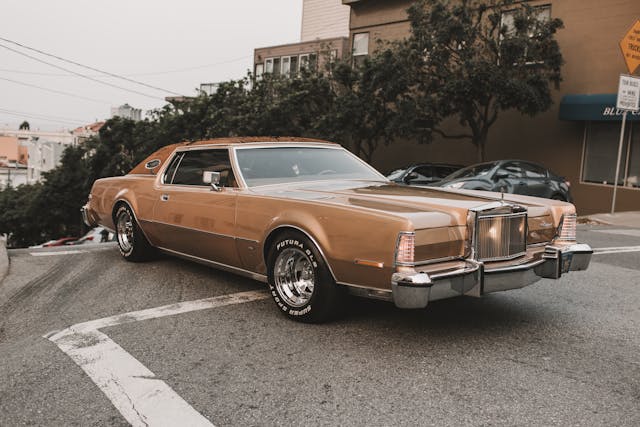
Now, let’s talk about the documentation. Verifying documentation is a step you can’t skip. This step ensures that you are getting what you paid for and helps maintain the value of your investment. Documentation can include titles, service records, original manuals, and any other paperwork related to the car’s history. Checking the VIN against the documentation is essential to confirm authenticity and avoid potential issues down the road. Make sure also to verify any restoration work that has been done on the vehicle and ensure it aligns with the documentation provided. Having complete and accurate documentation not only adds to the car’s provenance but also makes it easier if you decide to sell in the future.
Preserve Originality
Sure, as a proud owner of a classic car, you want to make your ride meet your personality. But what if I told you that authenticity adds value and charm to a vintage vehicle, making it stand out from the rest? So, preserving originality is key. That being said, resist the temptation to modernize every aspect of the car. Original parts, paint colors, and interior features contribute to its character and history. Research the car’s model year specifications to ensure you are staying true to its original design. During restoration, opt for genuine parts instead of aftermarket alternatives to avoid cutting corners. In the end, restoring a classic car is a true labor of love that demands patience, dedication, and attention to detail. With the right mindset and approach, you can bring new life to a vintage vehicle while honoring its history and heritage.…

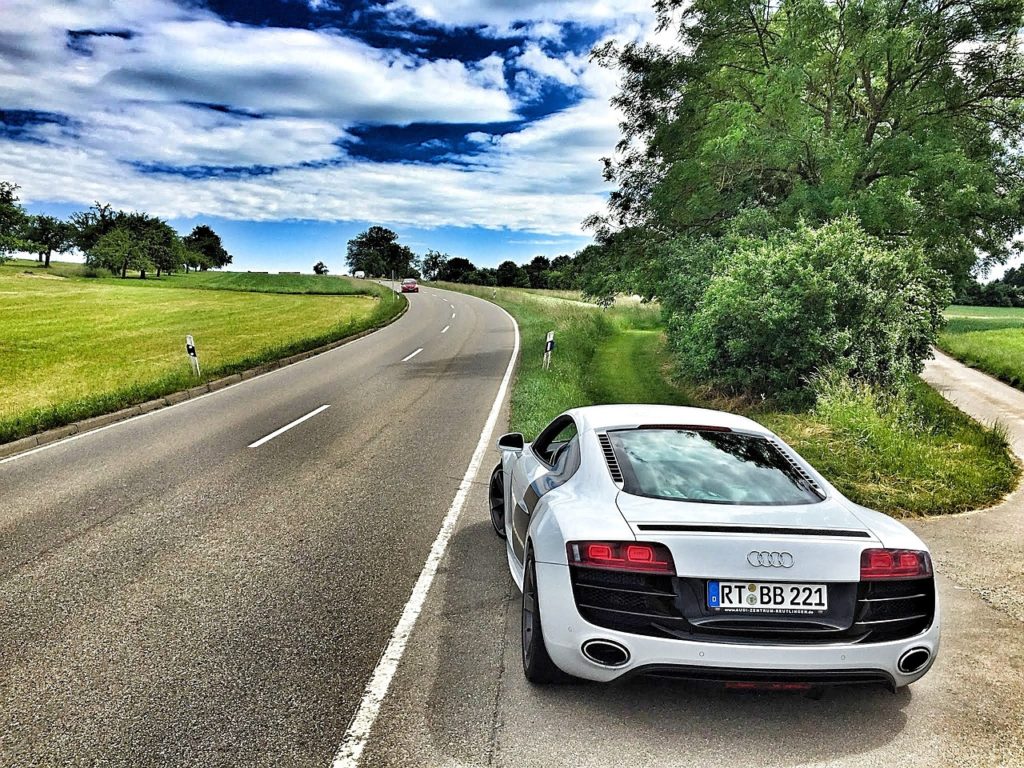
 Motorsports are synonymous with speed, and speed inherently thrills us. Witnessing vehicles zoom past at blistering speeds, pushing the limits of physics and human capability, triggers a primal sense of exhilaration. The sheer velocity and acceleration of racing machines, combined with the element of danger, create an intense and electrifying experience for spectators. The heart-pounding moments when drivers navigate tight turns, overtake opponents, and engage in wheel-to-wheel battles inject an adrenaline rush that keeps fans on the edge of their seats.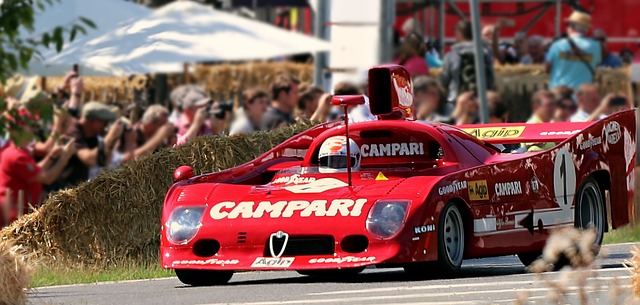
 Motorsports have a universal language that transcends borders and cultures. Major racing events like the Formula 1 Grand Prix and the Le Mans 24 Hours attract a global audience, bringing people from different backgrounds together to celebrate a shared passion. The cultural significance of motorsports is undeniable, with iconic races and venues becoming symbols of national pride and heritage. The roaring engines, vibrant liveries, and enthusiastic crowds create an atmosphere of celebration and camaraderie that unites fans worldwide.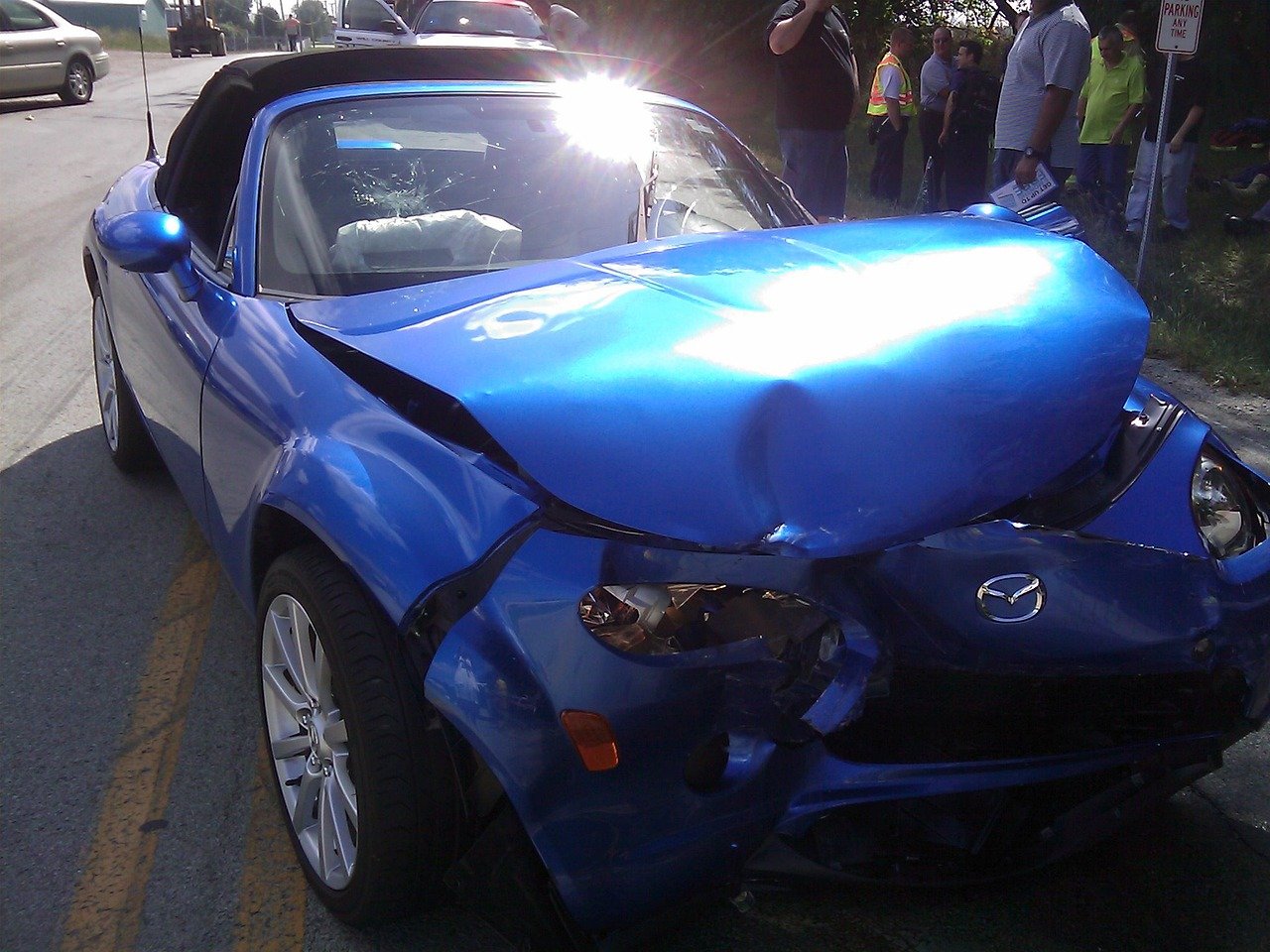
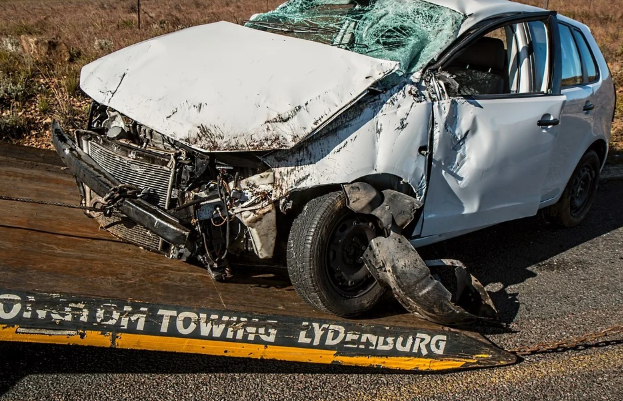
 One of the most common reasons for car accidents is over-speeding. Many drivers think that they can reach their destination faster if they speed up. However, this is not always the case. In fact, speeding often leads to accidents because it gives you less time to react to things on the road. It also makes it more difficult to control your car. So, if you want to avoid car accidents, keep your speed below the limit.
 Lastly, keep a safe distance from the car in front of you. If you’re following another car too closely, you might not have enough time to stop if that car suddenly brakes. So, leave enough space between your car and the one in front of you. When you get a license, they will teach you the ideal space to maintain between cars. This is something that you need to keep in mind when driving. Common car accidents are caused by drivers following too closely.